The Ultimate Guide to Your Work From Home Setup in 2025
As remote work evolves from a temporary measure to a permanent fixture of the modern economy, a dedicated work from home setup is no longer a luxury—it's the cornerstone of productivity, wellness, and professional success. Studies show a well-designed home office can boost productivity by over 20%. This ultimate guide provides a comprehensive blueprint for creating your ideal workspace.
Part 1: The Ergonomic Foundation
Ergonomics is the science of designing your workspace to fit you, not the other way around. A proper ergonomic foundation prevents chronic pain, reduces fatigue, and allows you to maintain focus for longer periods. It is the single most important investment you can make in your remote career.
The Ergonomic Chair: Your Throne of Productivity
You will spend thousands of hours in your office chair. A poor choice can lead to back pain, neck strain, and long-term musculoskeletal issues. Look for a chair with these non-negotiable features:
- Adjustable Lumbar Support: This feature supports the natural curve of your lower spine, which is critical for preventing slouching and back pain.
- Height and Armrest Adjustability: Your feet should rest flat on the floor with your knees at a 90-degree angle. Your armrests should allow your shoulders to remain relaxed.
- Seat Depth and Tilt Mechanism: Proper seat depth ensures good circulation in your legs, while a tilt function allows for dynamic movement throughout the day.
The Sit-Stand Desk: Your Partner in Wellness
Static posture is the enemy of a healthy spine. An adjustable sit-stand desk encourages movement, which improves circulation, boosts energy levels, and can burn extra calories. The key is not just to stand, but to alternate between sitting and standing every 30-60 minutes.
When choosing a desk, ensure it is deep enough to accommodate your monitor at a comfortable viewing distance (at least 20 inches away) and wide enough for all your essential equipment.
Part 2: Mastering Light and Ambiance
Lighting profoundly impacts your mood, energy, and ability to focus. A poorly lit workspace can cause eye strain, headaches, and drowsiness. A strategic approach to lighting involves layering different sources to create a balanced and adaptable environment.

The Three-Layer Lighting Strategy
- Ambient Lighting: This is the general, overall illumination of your room, usually from an overhead fixture or floor lamps. It sets the baseline brightness and prevents dark corners.
- Task Lighting: This is focused light for specific activities. An adjustable LED desk lamp is perfect for this. Look for a lamp with adjustable brightness and color temperature. A cooler temperature (around 5000K) is ideal for intense focus, while a warmer tone (around 3000K) is better for reading or relaxed work.
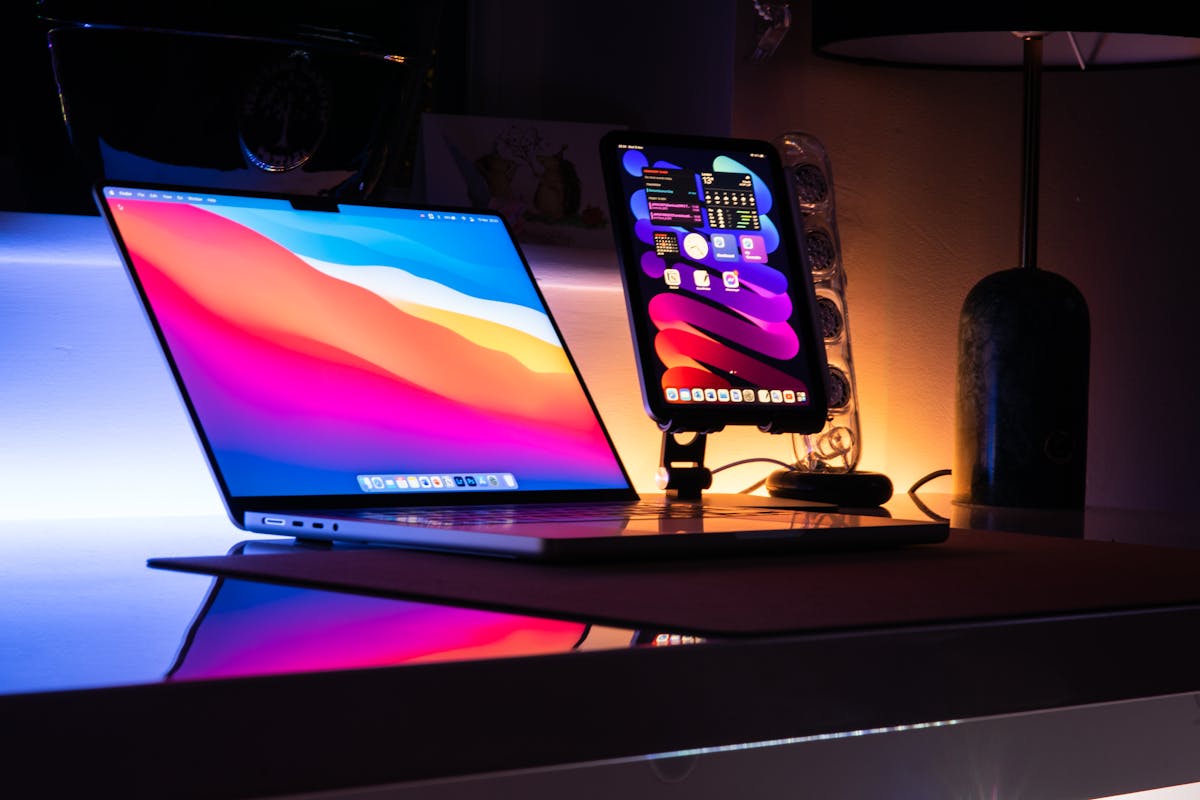
- Accent Lighting: This adds depth and reduces eye strain. A popular technique is placing a soft LED strip behind your monitor (bias lighting). This reduces the harsh contrast between a bright screen and a dark wall, making screen time more comfortable.
Lighting for Professional Video Calls
Your appearance on video calls is a reflection of your professionalism. To look your best, ensure your primary light source is in front of you, not behind or above. A simple ring light or a small LED panel positioned just above your webcam will illuminate your face evenly and eliminate distracting shadows.
Part 3: Technology and Connectivity
Your tech stack is the engine of your remote productivity. Investing in reliable and high-quality hardware will prevent frustrating interruptions and streamline your workflow.
Core Hardware for Seamless Performance
- High-Speed Internet: While Wi-Fi is convenient, a direct Ethernet connection provides a faster, more stable signal, which is critical for uninterrupted video calls and large file transfers.
- Dual-Monitor Setup: Multiple studies confirm that using two monitors can boost productivity by 20-30%. It allows you to reference documents on one screen while working on another, eliminating the constant need to switch between windows.
- Crystal-Clear Audio: A dedicated USB microphone will provide far superior audio quality compared to your laptop or headset's built-in mic. This is crucial for being heard clearly in important meetings.
- Ergonomic Peripherals: A vertical mouse and a split or curved keyboard can significantly reduce strain on your wrists and prevent repetitive strain injuries (RSI).
- Uninterruptible Power Supply (UPS): This battery backup system is a small investment that can save you from losing hours of work during an unexpected power outage.
Part 4: Organization for Mental Clarity
A famous principle states that a cluttered desk leads to a cluttered mind. Creating a system for physical and digital organization is essential for maintaining focus and reducing stress.
Taming the Cable Jungle
Visible cable clutter creates a sense of chaos. Achieve a clean, professional look with these tools:
- Under-Desk Cable Tray: This is the best solution for hiding power strips and bulky adapters completely out of sight.
- Cable Sleeves and Velcro Ties: Bundle cables running from your desk to the wall into a single, neat tube.
- Wireless Technology: Where possible, opt for a wireless keyboard, mouse, and headset to drastically reduce desk clutter.
The Power of the Daily Reset
End each workday with a five-minute "shutdown ritual." Tidy your desk, organize your papers, and close unnecessary browser tabs. This simple habit ensures you start the next day with a clean slate and a clear mind, free from the previous day's mental baggage.
Part 5: Integrating Health and Wellness
Your home office should promote your well-being, not detract from it. Integrating healthy habits directly into your workspace and routine is key to long-term sustainable remote work.
Movement and Micro-Breaks
Our bodies are not designed for static sitting. To combat the negative effects of a sedentary workday, implement these practices:
- The 20-20-20 Rule: To combat digital eye strain, every 20 minutes, look at something 20 feet away for at least 20 seconds.
- Scheduled Stretch Breaks: Use a timer or app to remind you to stand up, stretch your back, neck, and wrists for a few minutes every hour.
- Hydration Station: Keep a large water bottle on your desk at all times. Staying hydrated is crucial for maintaining cognitive function and energy levels.
Part 6: Budgeting and Personalization
Creating a great home office doesn't have to break the bank. It's about making smart, prioritized investments. Once the functional foundation is set, adding personal touches makes the space truly yours.
Smart Budgeting Tiers
- The Essentials ($300-$700): Prioritize a high-quality ergonomic chair above all else. Add a good task lamp and basic cable management.
- The Professional ($700-$2000): This tier includes the essentials plus a sit-stand desk, a quality external monitor, and a professional webcam/microphone setup.
- The Ultimate ($2000+): Build upon the professional setup with a dual-monitor arm, premium peripherals, a UPS, and aesthetic upgrades like acoustic panels or smart lighting.
Making the Space Your Own
Personalization turns a sterile office into an inspiring workspace. Consider adding indoor plants to improve air quality and reduce stress, displaying art that motivates you, or using an essential oil diffuser with focus-enhancing scents like rosemary or peppermint.
Video Guide: Office Setup Inspiration
Build Your Future, One Desk at a Time
Your work from home setup is more than just furniture; it's a strategic investment in your career and well-being. By thoughtfully designing your space using the principles in this guide, you are creating an environment that fosters focus, creativity, and sustained success in the remote-first world.
Start Building Your SetupFrequently Asked Questions
An ergonomic chair. Without question, it offers the highest return on investment for your long-term health, comfort, and ability to focus. If your budget is limited, allocate the largest portion of it to a high-quality, fully adjustable chair.
Think vertically and create clear boundaries. Use wall-mounted shelves for storage to keep floor space free. A compact "secretary" desk or a fold-down desk can save space. Most importantly, use a rug or a room divider to visually and psychologically separate your "work zone" from your living space.
The key is creating firm boundaries. First, have a dedicated workspace. Second, establish a strict work schedule with clear start and end times. Third, create a "shutdown ritual" at the end of the day—like tidying your desk and turning off your work computer—to signal to your brain that the workday is over.
Comments
Post a Comment