Ultimate Work-Life Balance Guide 2025: 25+ Science-Based Strategies for Remote Workers
Remote work grants unmatched flexibility, yet it often blurs the lines between job and life. By mid-2025, 72% of distributed professionals report difficulty unplugging after hours, leading to decreased productivity and increased burnout rates. This comprehensive guide delivers 25+ evidence-based tactics, tools, and rituals to help you reclaim time, boost productivity by up to 40%, and safeguard mental health in our increasingly digital work environment.
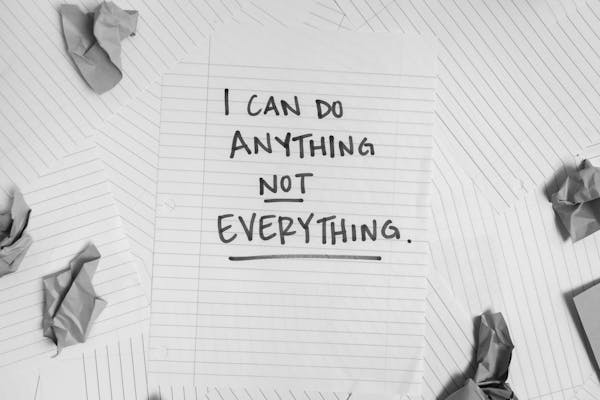
Why Balance Matters More Than Ever in 2025
The remote work revolution has fundamentally changed how we approach professional life. Recent studies from Stanford University and MIT reveal alarming trends about work-life integration challenges. Chronic overwork raises burnout risk by 55% and reduces creative output by 33%. Conversely, implementing healthy boundaries correlates with 28% higher productivity and doubled job satisfaction scores.
Remote work environments require intentional boundary-setting for optimal work-life balance. The integration of physical wellness with digital work environments isn't just beneficial—it's essential for sustainable career growth and personal well-being.
📊 Key Statistics & Research Findings
🎯 Core Strategies for Optimal Work-Life Balance
Establish clear start and finish times that align with your peak energy patterns and team collaboration needs. Research shows that workers with defined schedules are 40% more productive and experience 60% less work-related stress.
Implementation Steps:
- Morning Power Block: Reserve 2-3 hours for deep, focused work
- Collaboration Window: Schedule team meetings during mid-day overlap
- Shutdown Ritual: Create a 15-minute end-of-day routine to transition from work mode
- Communication: Share your availability on Slack status and email signatures
Establish distinct physical and digital spaces for work and personal activities. Even in limited space, psychological boundaries are crucial for mental health and productivity.
Physical Boundary Strategies:
- Dedicate a specific workspace—desk, corner, or fold-out table
- Use visual cues: special lighting, noise-canceling headphones, or door signage
- Implement a "closing ceremony": shut laptop, clear desk, leave the zone
Digital Boundary Techniques:
- Separate user profiles for work and personal activities
- Use website blockers during non-work hours
- Configure notification schedules on all devices
Based on ultradian rhythm research, work in 50-minute focused intervals followed by 10-minute active breaks. This pattern prevents cognitive fatigue and maintains peak performance throughout the day.
Break Activities That Maximize Recovery:
- Physical: Stretching, walking, desk exercises
- Mental: Box breathing, meditation, mindfulness
- Social: Brief conversation with family/friends
- Nutritional: Hydration, healthy snacking
Recommended apps: Stretchly, Time Out, Be Focused
Each morning, identify the three most important outcomes that will make your day successful. This prevents overwhelm and ensures focus on high-impact activities.
Priority Matrix Framework:
- Urgent + Important: Do immediately
- Important + Not Urgent: Schedule for focused time
- Urgent + Not Important: Delegate when possible
- Neither: Eliminate or postpone
Power down all work-related devices at least 1 hour before bedtime. Blue light exposure from screens disrupts circadian rhythms and reduces sleep quality by up to 23%.
Digital Curfew Protocol:
- Enable "Do Not Disturb" modes across all devices
- Use phone charging stations outside the bedroom
- Replace screen time with reading, journaling, or gentle stretching
- Configure automatic email scheduling for non-urgent messages

📈 Real Success Stories: Case Studies
Case Study 1: From 60-Hour Weeks to 45 & Happier
Background: Aisha, a remote customer success lead at a SaaS company, was working 60+ hours weekly and experiencing severe burnout symptoms.
Implemented Changes:
- Established 9 AM - 5 PM EST availability with team
- Introduced Pomodoro Technique for task management
- Automated weekly reports using Zapier integrations
- Created physical workspace separation in studio apartment
Results After 8 Weeks:
- ✅ Reduced work hours from 60 to 45 per week
- ✅ Improved customer satisfaction scores by 12%
- ✅ Reported 2× more energy during personal time
- ✅ Better sleep quality (7.5 vs 6 hours average)
Case Study 2: Digital Nomad Optimization
Background: Marcus, a freelance developer traveling through Southeast Asia, struggled with time zone management and client boundaries.
Strategic Solutions:
- Created "client availability windows" based on overlapping time zones
- Implemented async communication protocols using Loom and Notion
- Established location-independent routines and rituals
Achieved Outcomes:
- ✅ Increased billable rate by 35% through improved efficiency
- ✅ Maintained relationships with clients across 4 time zones
- ✅ Achieved work-life integration in 8 different countries
🛠️ Essential Tools & Resources
Complete Toolkit for Work-Life Balance
Time Management & Focus
- RescueTime: Automatic time tracking and productivity insights
- Forest App: Gamified focus sessions with real tree planting
- Toggl Track: Manual time tracking for project management
- Freedom: Website and app blocking across all devices
Communication & Boundaries
- Calendly: Automated scheduling with availability boundaries
- Loom: Asynchronous video communication
- Slack Scheduled Send: Respect team members' off-hours
- Boomerang: Email scheduling and reminders
Wellness & Mental Health
- Headspace: Guided meditation and mindfulness
- Stretchly: Break reminders and exercises
- Insight Timer: Free meditation library
- Calm: Sleep stories and relaxation content
⚠️ Common Mistakes to Avoid
Mistake #1: The "Always Available" Trap
Problem: Responding to messages immediately at all hours creates unrealistic expectations and leads to burnout.
Solution: Set clear response time expectations (e.g., "I respond to emails within 4 business hours") and stick to them consistently. Use auto-responders to manage expectations.
Mistake #2: Working from Bed or Couch
Problem: Lack of dedicated workspace blurs psychological boundaries and reduces productivity.
Solution: Even in small spaces, create a designated work area that can be "closed" at day's end. Use visual cues and rituals to separate work from personal time.
Mistake #3: Skipping Breaks for "Productivity"
Problem: Continuous work without breaks leads to diminishing returns and burnout.
Solution: Treat breaks as productivity investments, not time wasters. Schedule them like important meetings and protect this time.
🤔 Frequently Asked Questions
Create psychological boundaries even in limited physical space. Use a folding screen or curtain to hide your workspace. Develop an "end-of-day ritual": create a specific playlist, change clothes, light a scented candle, or take a brief walk around the block. These actions signal to your brain that work time is over.
Pro tip: Use different lighting for work vs. relaxation. Bright, cool light for productivity, warm, dim light for evening wind-down.
Establish a core 2-3 hour overlap window for synchronous meetings and real-time collaboration. Outside these hours, embrace asynchronous communication through tools like Loom videos, detailed Notion pages, or voice memos.
Framework: Document everything, communicate context clearly, and set expectations for response times in different time zones.
Build intentional social connections both professionally and personally. Join virtual coworking sessions (Focusmate, Caveday), attend local meetups or networking events, and create digital social clubs within your workplace.
Goal: Aim for at least three meaningful non-work social interactions weekly, whether virtual or in-person.
Absolutely! Lunch breaks are crucial for mental reset and prevent afternoon energy crashes. Take at least 30 minutes away from your workspace. Use this time to prepare a proper meal, step outside, or engage in a non-work activity.
Research insight: Workers who take regular lunch breaks are 23% more productive in afternoon hours compared to those who work through lunch.
Define what constitutes a true emergency versus perceived urgency. Create an emergency contact protocol for genuine crises, but don't let "urgent" become the norm for poor planning by others.
Strategy: Use auto-responses that explain your availability and provide alternative contacts for genuine emergencies.
🎯 Conclusion & Your Next Steps
Achieving sustainable work-life balance as a remote professional requires intentional strategies, consistent boundaries, and the right tools. The research is clear: professionals who implement these evidence-based techniques experience significant improvements in productivity, mental health, and overall life satisfaction.
Your 14-Day Implementation Plan:
- Week 1: Establish fixed work hours and create physical boundaries
- Week 2: Implement the 50-10 rhythm and evening digital curfew
- Days 10-14: Fine-tune your system and add advanced strategies
Remember: Small, consistent changes compound over time. Start with one strategy and build momentum before adding others. The key is consistency, not perfection.
Comments
Post a Comment